Podium Waterproofing Complete Guide to Protecting Your Building from Water Leakage
Learn how professional podium waterproofing helps prevent water leakage, seepage, cracks, and moisture damage in parking areas and building structures. Discover the waterproofing process, benefits, cost factors, and main
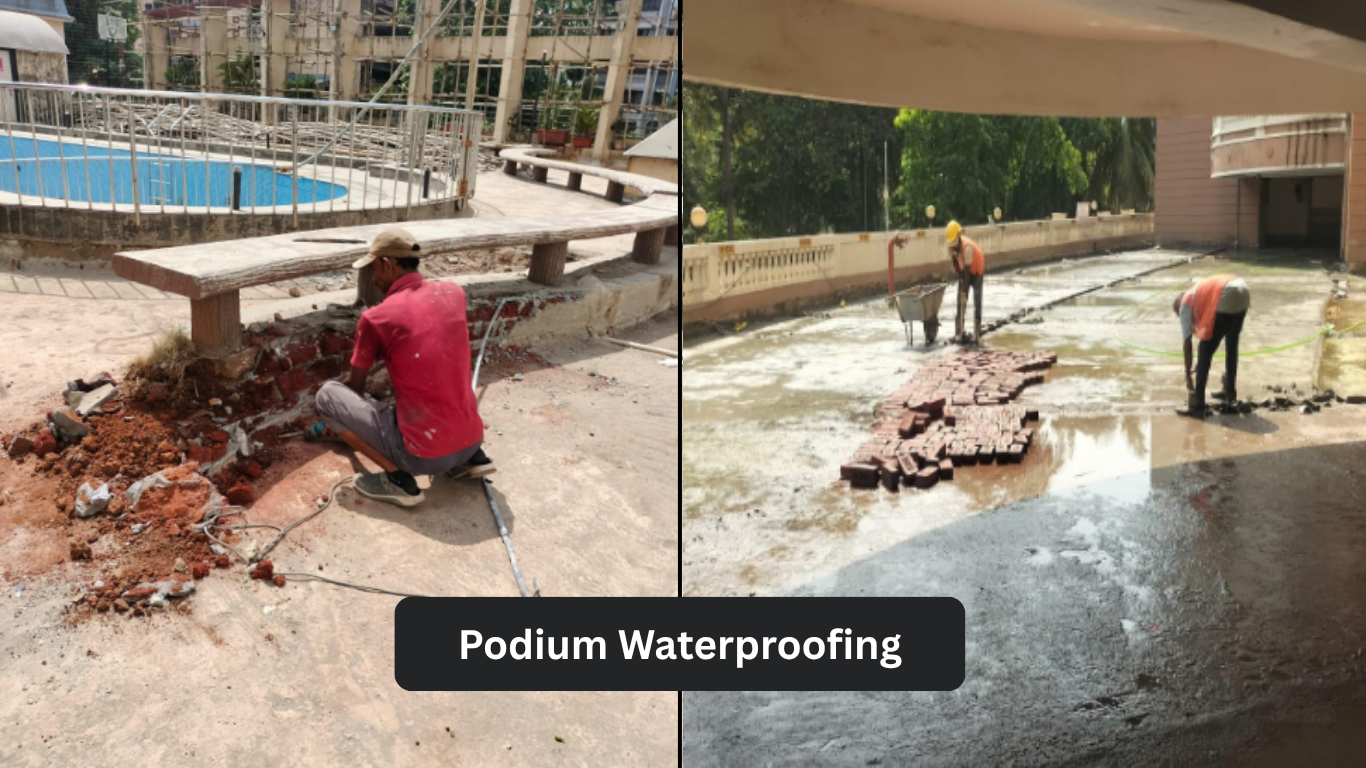
Podium Waterproofing Complete Guide to Protecting Your Building from Water Leakage
What Is Podium Waterproofing?
Podium waterproofing is the process of protecting a podium slab from water penetration by applying a suitable waterproofing system over the surface and treating vulnerable areas such as cracks, joints, drains and pipe penetrations.
A podium slab may be located above parking areas, commercial spaces, basements or other occupied areas. When water enters through cracks, joints or damaged waterproofing layers, it can travel through the slab and appear as leakage underneath.
A professional podium waterproofing system is designed to create a continuous protective barrier while also accommodating movement, drainage and the specific conditions of the podium.
Why Is Podium Waterproofing Important?
Water leakage from a podium may initially appear as a small damp patch or occasional dripping. However, ignoring the problem can allow moisture to spread into concrete and surrounding areas.
Some common problems associated with inadequate waterproofing include:
- Water leakage into parking areas
- Damp patches on ceilings and walls
- Cracks and deterioration of concrete surfaces
- Damage to paint and protective coatings
- Moisture around pipe and drainage points
- Corrosion risk to reinforcement when moisture reaches concrete reinforcement
- Recurring repair and maintenance costs
Proper podium waterproofing helps reduce these risks by addressing the surface and the potential entry points for water.
Common Causes of Podium Water Leakage
Podium leakage can occur for several reasons. Identifying the actual source is important before selecting a waterproofing treatment.
1. Cracks in the Concrete Slab
Concrete can develop cracks due to movement, shrinkage, loading conditions, ageing or other factors. Even relatively small cracks can become pathways for water.
2. Poor Drainage
Water should flow towards designated drainage points. If the podium does not have adequate slope or drains become blocked, water can remain on the surface for extended periods.
Standing water increases the possibility of leakage and can place additional stress on the waterproofing system.
3. Damaged Waterproofing Layer
Older waterproofing systems may deteriorate due to weather exposure, mechanical damage, movement or general ageing.
Once the waterproofing layer becomes damaged, water can find its way into the slab.
4. Pipe and Drain Penetrations
Pipes, drainage outlets and other penetrations create vulnerable points in a waterproofing system. If these areas are not properly sealed, leakage can develop around them.
5. Expansion and Construction Joints
Movement joints require proper detailing and sealing. If the joint treatment fails, water can enter through the joint and travel into the structure.
Where Is Podium Waterproofing Commonly Required?
Podium waterproofing may be required in different types of building areas, including:
- Podium parking areas
- Landscaped podiums
- Terrace podiums
- Garden areas above parking
- Commercial podium spaces
- Areas above basements
- Planter box zones
- Podium slabs exposed to rainwater
The exact waterproofing system should be selected according to the surface condition, usage, exposure and expected movement.
Podium Waterproofing Process
A successful waterproofing project starts with proper inspection and surface preparation rather than simply applying a coating over an existing surface.
Step 1: Site Inspection
The first step is to inspect the podium and identify visible leakage, cracks, damaged areas, drainage problems and other vulnerable locations.
The condition of the existing surface and waterproofing system should be assessed before deciding on the treatment.
Step 2: Surface Preparation
The surface must be cleaned and prepared properly. Dust, loose material, damaged coatings and other contaminants should be removed.
Proper preparation is important because waterproofing materials need a suitable surface for effective application.
Step 3: Crack and Joint Treatment
Visible cracks and construction or movement joints should be treated according to their condition and movement characteristics.
This stage is important because simply covering cracks with a surface coating may not solve the underlying leakage issue.
Step 4: Drainage and Slope Correction
Areas where water collects should be inspected carefully. Proper drainage helps prevent prolonged water accumulation on the podium.
Drain outlets should also be checked to ensure that water can move away from the waterproofed surface.
Step 5: Waterproofing Application
The selected waterproofing system is then applied according to the project requirements and manufacturer's application guidelines.
Depending on the project, different waterproofing technologies and systems may be considered. The appropriate system should be selected based on the surface condition, exposure and intended use of the podium.
Step 6: Protective Layer
In areas exposed to parking, foot traffic or mechanical activity, the waterproofing layer may require suitable protection to reduce the possibility of mechanical damage.
The protection system should be compatible with the waterproofing system underneath.
Step 7: Inspection and Testing
After completion, the treated area should be inspected carefully. Where appropriate, testing can be carried out to identify potential leakage or defects before the area is put back into regular use.
Benefits of Professional Podium Waterproofing
Investing in a properly planned waterproofing system can provide several benefits.
Protects Areas Below the Podium
A properly treated podium can help reduce water penetration into parking areas, basements, commercial spaces and other areas located below the slab.
Helps Prevent Recurring Leakage
Addressing cracks, drainage, joints and other vulnerable areas along with the waterproofing layer can provide a more comprehensive solution than simply treating visible stains.
Protects the Building Structure
Long-term moisture exposure can contribute to deterioration of building materials. Waterproofing helps create an additional protective barrier against water penetration.
Reduces Maintenance Problems
Recurring seepage often results in repeated painting, patchwork and repair work. A properly planned waterproofing system can help reduce the frequency of such problems.
Improves Long-Term Building Maintenance
Regular inspection and timely waterproofing maintenance allow building owners and facility teams to identify problems before they become larger repair requirements.
How Much Does Podium Waterproofing Cost?
The cost of podium waterproofing varies from project to project.
Some of the factors that can influence the overall cost include:
- Total waterproofing area
- Existing surface condition
- Extent of cracks and repairs
- Existing waterproofing system
- Required surface preparation
- Drainage and slope conditions
- Number of pipe and drain penetrations
- Waterproofing system selected
- Required protective layer
- Accessibility of the podium
- Labour and project conditions
Because every podium has different conditions, a site inspection is generally more useful than estimating the cost only from the area.
Signs That Your Podium May Need Waterproofing
Building owners, society members and facility managers should pay attention to early warning signs such as:
- Water dripping from the podium ceiling
- Damp patches below parking areas
- Visible cracks on the podium surface
- Water accumulation after rainfall
- Peeling paint below the podium
- White deposits or moisture marks
- Recurring leakage after repairs
- Damaged or deteriorated waterproofing layers
If these signs appear repeatedly, identifying the source of the water is important before carrying out another cosmetic repair.
Podium Waterproofing vs. Simple Leakage Repair
A common mistake is treating only the visible leakage.
For example, painting a damp ceiling may temporarily improve its appearance, but it does not necessarily stop water from entering from the podium above.
A proper waterproofing approach looks beyond the visible symptom and investigates the possible entry point. Depending on the site, this may involve inspecting the podium surface, cracks, joints, drainage points and existing waterproofing system.
Maintenance Tips After Podium Waterproofing
Waterproofing should not be considered a one-time activity with no further inspection.
Regular maintenance can help identify problems early.
Keep Drainage Points Clear
Blocked drains can cause water accumulation and should be checked regularly, especially before and during the monsoon season.
Inspect Cracks and Joints
Visible changes in cracks or joints should be investigated rather than ignored.
Avoid Unnecessary Surface Damage
Drilling, fixing equipment or carrying out construction work over a waterproofed podium should be planned carefully to avoid damaging the waterproofing layer.
Inspect After Heavy Rain
Post-monsoon inspections can help identify new damp patches, water accumulation or other signs of waterproofing failure.
Frequently Asked Questions About Podium Waterproofing
1. What is podium waterproofing?
Podium waterproofing is the process of protecting a podium slab from water penetration using a suitable waterproofing system and treating vulnerable areas such as cracks, joints, drains and pipe penetrations.
2. How do I know if my podium has a leakage problem?
Signs may include damp patches, water dripping below the podium, standing water, visible cracks or recurring leakage after rainfall.
3. Can painting fix podium leakage?
Painting may improve the appearance of a damaged surface, but it does not necessarily solve the source of water penetration. The source of leakage should be identified before deciding on the appropriate treatment.
4. How often should a podium be inspected?
Regular inspections are recommended, particularly before and after periods of heavy rainfall. The exact maintenance frequency depends on the building and its exposure.
5. How much does podium waterproofing cost?
There is no single fixed price because the cost depends on the area, existing condition, repairs required, waterproofing system and site conditions. A site inspection can provide a more accurate project assessment.
6. Is podium waterproofing necessary for parking areas?
If a parking area is located above occupied or enclosed spaces, waterproofing can be an important part of protecting the structure and the areas below from water penetration.
Choose the Right Waterproofing Approach for Your Podium
Podium leakage should not be treated as a simple painting or patchwork problem. The right solution starts with understanding where water is entering, why the existing system has failed and what conditions the podium is exposed to.
At WaterproofPaintCo, we focus on practical waterproofing solutions designed around the condition and requirements of the building.
From podium surfaces and leakage-prone areas to related waterproofing requirements, proper inspection and preparation are important parts of achieving a reliable result.
If your podium is showing signs of seepage, cracks, standing water or recurring leakage, getting the area inspected early can help you understand the problem before it develops into a larger maintenance issue.
Need professional podium waterproofing assistance? Contact WaterproofPaintCo to discuss your project and arrange a site assessment.